
In the eco-friendly manufacturing world, particularly in the production of bagasse tableware, controlling moisture and temperature during the molding process is paramount to ensuring the final product’s strength, durability, and quality. These factors directly influence the consistency of the molded items, making them crucial to the success of your production line. Understanding how to effectively manage these elements will not only improve product quality but also increase the overall efficiency of your operations, which ties into why investing in a bagasse tableware production line is the smartest move for your business.
Why Moisture Control Matters in Bagasse Molding
Bagasse, the fibrous residue left after extracting juice from sugarcane, is a sustainable material that can be molded into various forms for tableware like plates, bowls, and trays. However, because bagasse is primarily made up of cellulose fibers, it has a high moisture content that can impact the final product if not managed carefully.
- Overly moist bagasse can lead to soft, weak products that are prone to breaking.
- Excessively dry bagasse may make the pulp brittle, leading to cracks or poor molding quality.
Solution: To control moisture, you need to implement a consistent pulp preparation system. This system ensures that the fibers are neither too wet nor too dry before entering the molding process. Automated moisture control systems can be used to measure and adjust moisture levels in the bagasse pulp. By using moisture sensors and a dewatering process, you can optimize the pulp’s consistency for molding.
Temperature Control in Molding
Temperature plays an equally critical role in bagasse tableware molding. In the molding process, the pulp is subjected to high heat, which is essential for proper bonding and shaping of the fibers. Too much heat can cause the bagasse fibers to break down, while too little will result in weak and poorly formed tableware.
- Excessive heat can scorch the fibers, creating weak spots that affect the strength of the final product.
- Insufficient heat can prevent the fibers from bonding properly, leading to warped or underdeveloped tableware.
Solution: The ideal temperature for molding bagasse products is typically between 140°C and 160°C, depending on the machine and specific product type. Using advanced temperature control systems within the production line allows you to maintain this ideal range. Thermoregulation technology embedded in the molding press can automatically adjust the temperature to ensure consistent heat throughout the process.
Integrated Moisture and Temperature Control Systems
The best way to ensure that both moisture and temperature are carefully controlled is by integrating both systems into the production line. Modern bagasse molding machines are equipped with advanced sensors that track both moisture content and temperature, adjusting automatically to ensure optimal conditions for molding.
- Automated Pulp Feeders: These systems mix bagasse with water to achieve the precise moisture content before it enters the molding press.
- Intelligent Heating Systems: These systems monitor the temperature of the mold and adjust heat input to ensure consistent results.
By investing in machinery with integrated systems to control moisture and temperature, you reduce the risk of product inconsistency and improve overall efficiency, making it an essential factor in the profitability of your bagasse tableware production line.

Pulp molding Tableware Making Machine
New tech created for new market, has been selling more than 100 units since its launch. Suitable for the production of plate, fast food box, bowl, cup and other environmental protection paper fiber tableware products.
Platen Size: 980 x 940 mm
1 Forming 2 Hotpressing
International Branded Robot Auto Trimming
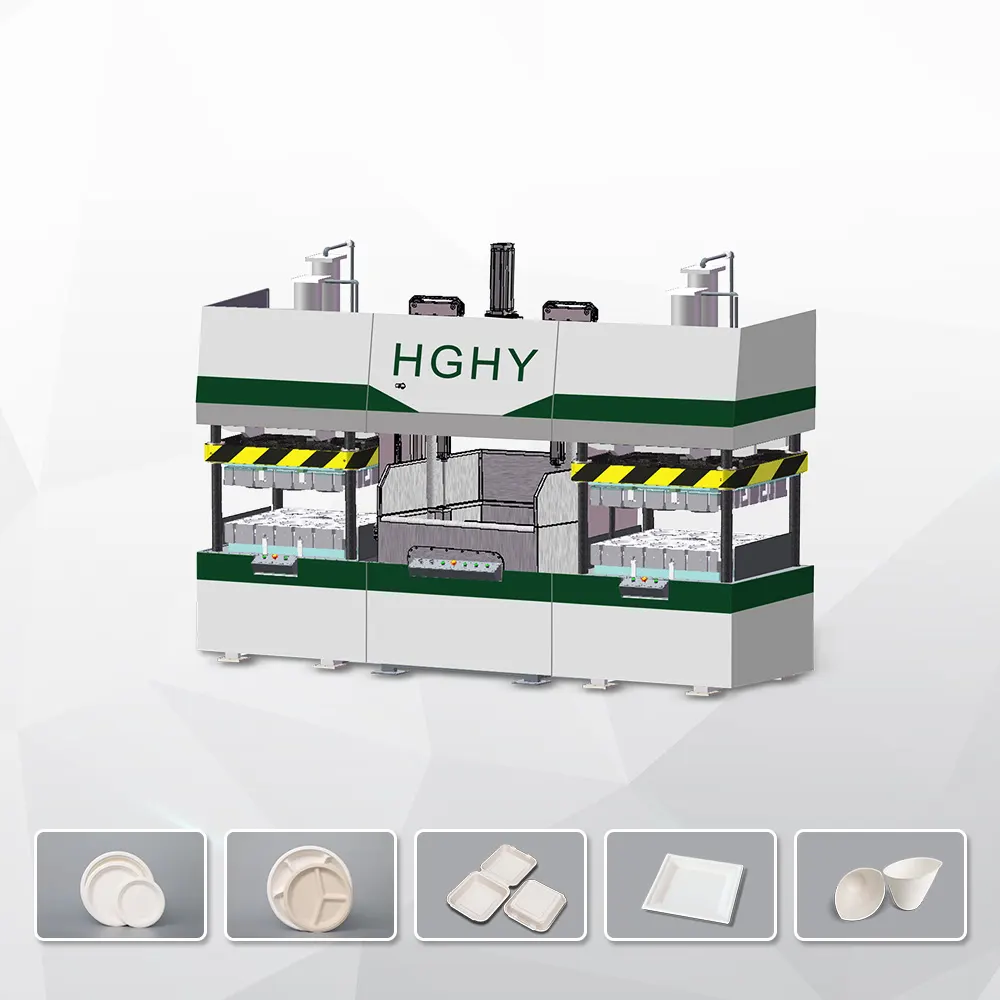
Sugarcane Bagasse Tableware Making Machine
The Sugarcane Bagasse Tableware Making Machine uses the fiber residue left after extracting sugarcane juice to make bagasse tableware such as biodegradable plates, bowls and cups.
How a Pulp Molding Machine Works?
Choose HGHY
HGHY stands as a pioneering high-tech enterprise in China, committed to the research, development, and production of paper molding equipment. With close to three decades of practical experience in project management, our goal is to build cutting-edge machinery. Our service footprint extends across over 60 countries and regions worldwide, having successfully delivered over 1,000 sets of equipment and served more than 10,000 satisfied customers.

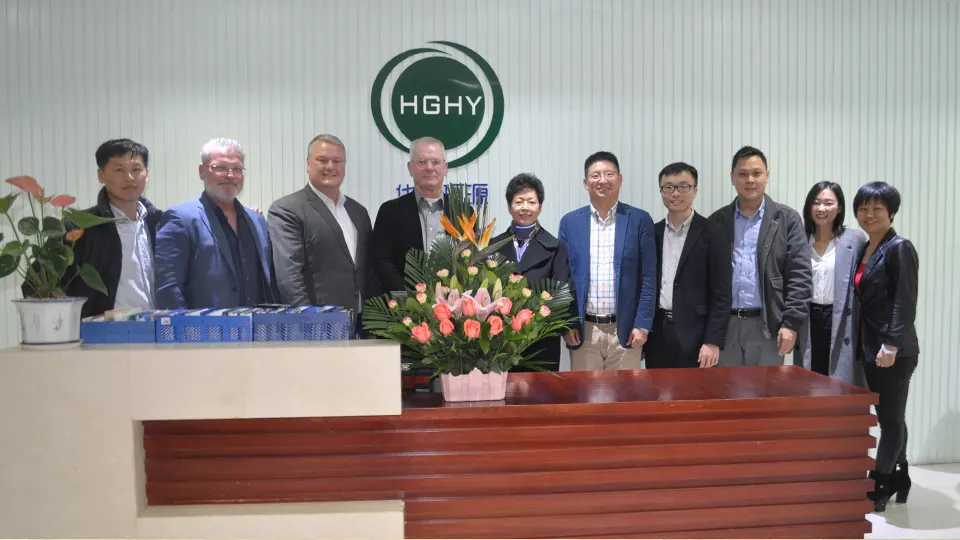
No experience required - Helps You Build a Factory
HGHY offers personalized, complimentary consulting services to clients. We assist in designing and planning your entire factory layout, tailor products to your specific requirements, and dispatch engineers to your country for equipment installation and troubleshooting. Additionally, we provide training and ongoing technical support, all backed by a lifetime service guarantee for HGHY equipment.
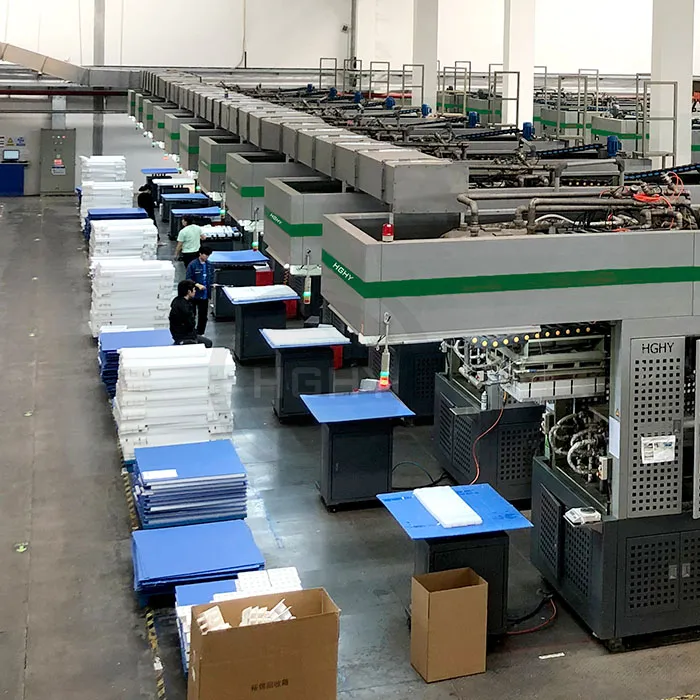
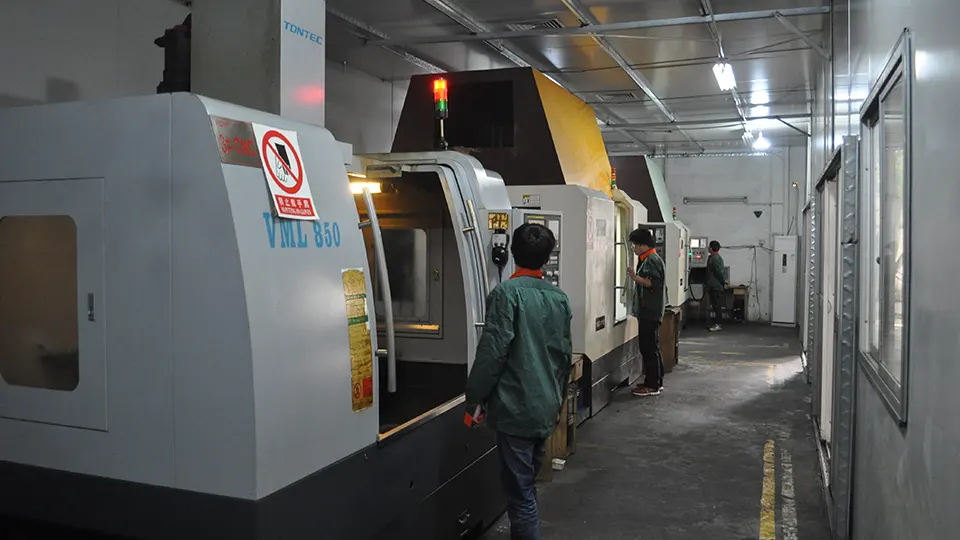
Our Cases


Controlling moisture and temperature during the molding process is crucial for ensuring the quality of your bagasse-based tableware products. Investing in a reliable production line that incorporates these control mechanisms will not only improve your product quality but also increase operational efficiency, driving long-term profitability. As discussed in the main article From Foam to Fiber: Why Investing in a Bagasse Tableware Production Line Is the Smartest Move for Your Business, choosing the right technology to manage these factors can make all the difference in a competitive, eco-conscious market.