As global awareness of environmental sustainability continues to rise, the shift from traditional foam and plastic packaging toward fiber-based alternatives like bagasse has become not just a trend—but a regulatory and commercial necessity. For manufacturers and investors considering the transition, understanding the environmental and legal landscape behind these materials is critical.
This article explores how foam, plastic, and bagasse compare in terms of environmental impact, compliance with international standards, and market readiness, and why adopting HGHY’s advanced bagasse tableware production line is the smartest, most compliant solution.
Related reading: From Foam to Fiber: Why Investing in a Bagasse Tableware Production Line Is the Smartest Move for Your Business
Foam and Plastic: The End of an Era
Foam (typically polystyrene) and single-use plastics were once favored for their low cost and lightweight nature. However, their environmental cost is now undeniable:
Non-biodegradable: Foam and plastic can persist in the environment for hundreds of years.
Microplastic Pollution: Decomposition produces microplastics that contaminate soil and oceans.
Regulatory Bans: Many countries and regions—including the EU, Canada, India, and several U.S. states—have enacted bans or severe restrictions on single-use plastics and polystyrene packaging.
Under the EU Single-Use Plastics Directive (SUPD) and the U.S. Food and Drug Administration (FDA) packaging safety guidelines, foam products often fail to meet food contact safety or recyclability requirements.
Bagasse: The Eco-Friendly, Compliant Alternative
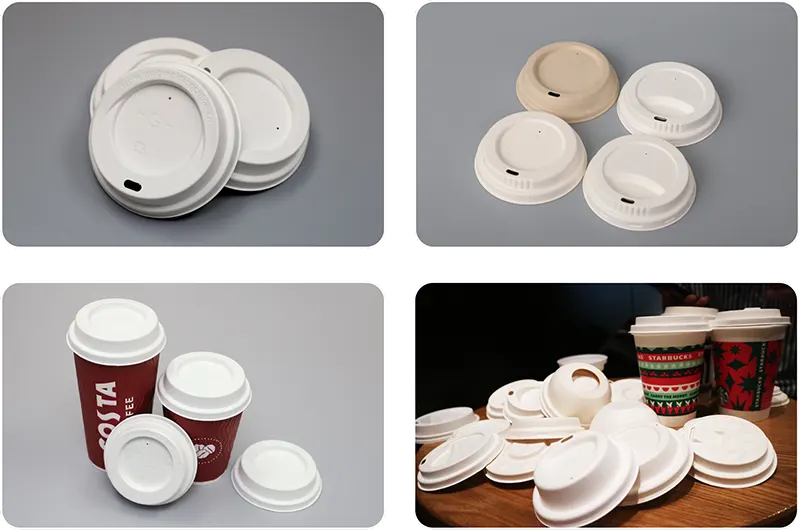
Bagasse, a natural byproduct of sugarcane fiber, is fully biodegradable, compostable, and renewable, making it the ideal alternative for sustainable food packaging.
Key advantages include:
✅ Eco-compatibility: Decomposes within 60–90 days under composting conditions.
✅ Renewable source: Derived from sugarcane waste, reducing agricultural residues.
✅ Low carbon footprint: Production emits significantly less CO₂ than foam or plastic.
✅ Safe for food contact: When properly processed and coated, bagasse tableware complies with EU Regulation (EC) No. 1935/2004, U.S. FDA 21 CFR 176.170, and other global standards.
Global Regulatory Frameworks Favoring Bagasse Products
European Union (EU):
Directive (EU) 2019/904 bans single-use plastic tableware and promotes compostable fiber packaging.
EN 13432 Certification ensures biodegradability and compostability.
Bagasse easily meets these standards when processed under hygienic, high-temperature conditions.
United States (FDA and ASTM Standards):
FDA 21 CFR confirms bagasse materials’ safety for direct food contact.
ASTM D6400 defines compostability requirements, which bagasse products naturally fulfill.
Asia-Pacific and Other Regions:
Countries such as Japan, South Korea, and Australia are rapidly aligning with these standards, boosting the demand for compliant bagasse packaging solutions.
HGHY Equipment: Ensuring Compliance, Quality, and Recyclability
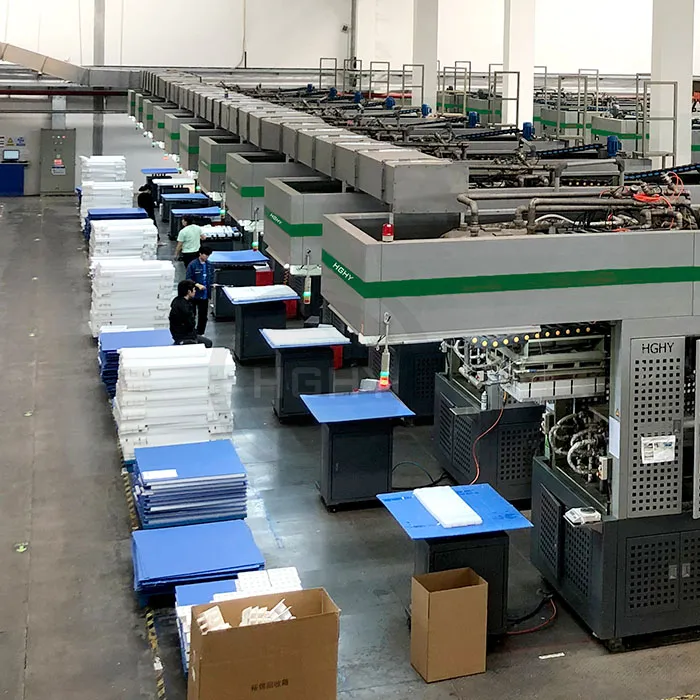
HGHY’s Bagasse Tableware Production Line is specifically engineered to produce fully compliant and recyclable pulp-molded products that meet the world’s strictest environmental and food safety regulations.
Key Features Include:
- Precision Molding Technology: Guarantees smooth surfaces and uniform thickness for FDA/EU-certified quality.
- Integrated Pulping and Hot Pressing System: Eliminates chemical additives while ensuring product strength and hygiene.
- Temperature and Pressure Control Systems: Maintain optimal fiber density for safe, odor-free, food-contact performance.
- Sustainable Production Design: Low water consumption, closed-loop pulp recovery, and energy-efficient drying reduce the plant’s carbon footprint.
- By choosing HGHY’s high-performance bagasse production line, manufacturers can confidently produce tableware that is eco-certified, export-ready, and market-approved worldwide.
The Future: Regulatory Compliance as a Business Advantage
Global compliance is no longer just a box to tick—it’s a competitive advantage. With governments and corporations moving toward zero-plastic policies, businesses equipped with HGHY’s sustainable molding systems are positioned to capture long-term growth in green packaging markets.
By transitioning from foam and plastic to bagasse, manufacturers not only comply with international regulations but also align with the growing consumer demand for sustainable, biodegradable products.
How a Pulp Molding Machine Works?
Choose HGHY
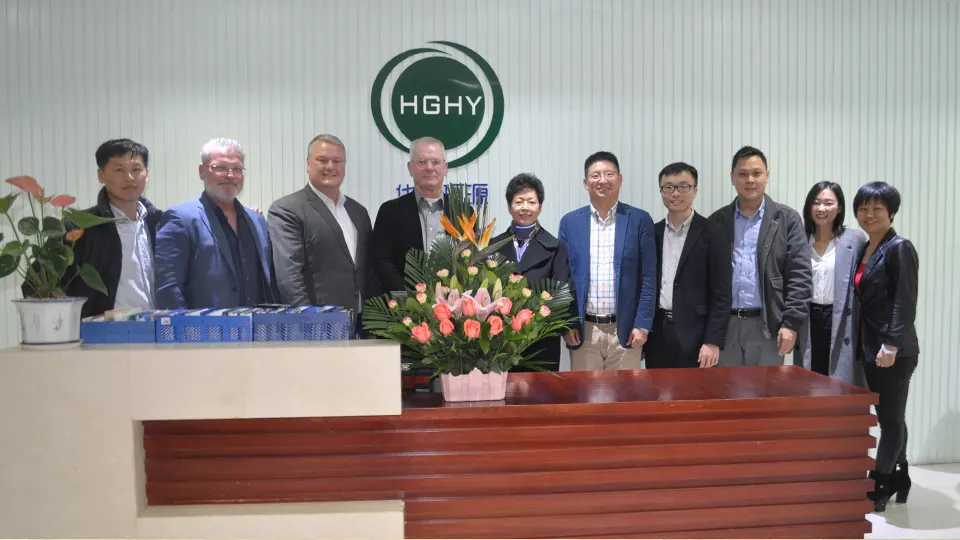
HGHY stands as a pioneering high-tech enterprise in China, committed to the research, development, and production of paper molding equipment. With close to three decades of practical experience in project management, our goal is to build cutting-edge machinery. Our service footprint extends across over 60 countries and regions worldwide, having successfully delivered over 1,000 sets of equipment and served more than 10,000 satisfied customers.
No experience required - Helps You Build a Factory
HGHY offers personalized, complimentary consulting services to clients. We assist in designing and planning your entire factory layout, tailor products to your specific requirements, and dispatch engineers to your country for equipment installation and troubleshooting. Additionally, we provide training and ongoing technical support, all backed by a lifetime service guarantee for HGHY equipment.
Our Cases
The pulp molding production line represents the future of sustainable manufacturing — transforming waste paper or agricultural residues into valuable, biodegradable packaging.
It combines eco-friendliness, cost efficiency, and technological innovation, making it an ideal investment for companies seeking both profitability and environmental responsibility.
By adopting advanced systems such as rotary, reciprocating, or thermoforming pulp molding machines, manufacturers can not only meet global environmental standards but also build a strong, future-ready packaging business.