Eggs are a staple food for many households, and their packaging—egg cartons—plays a crucial role in ensuring that they arrive safely at your table. With various types of egg cartons available on the market, it’s important to distinguish between high-quality and low-quality options. The choice of egg carton directly impacts the safety of the eggs, consumer experience, and environmental sustainability.
In this blog post, we will explore the key differences between high-quality and low-quality egg cartons and provide insights on how to choose the best option for both egg protection and environmental responsibility.
1. Material Quality
High-Quality Egg Cartons: Durable and Environmentally Friendly
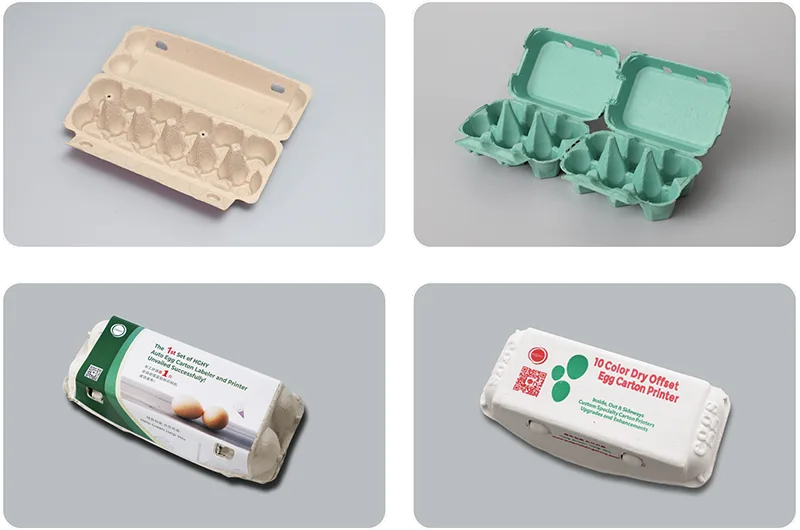
High-quality egg cartons are typically made from premium paper pulp, often sourced from recycled paper materials. These cartons are processed to provide excellent strength and resilience, which helps protect eggs from damage during transport and storage. The materials used have a smooth surface and strong compression resistance, ensuring that the eggs remain intact even when stacked or exposed to external pressure.
Low-Quality Egg Cartons: Inferior Materials and Non-Eco-Friendly
In contrast, low-quality egg cartons are often made from cheap materials or non-recyclable substances. These cartons may lack the strength to protect eggs effectively and are prone to breaking or deforming easily. The surface might be rough, and the compression strength is insufficient, leading to a higher risk of egg breakage during handling.
2. Manufacturing Process
High-Quality Egg Cartons: Precision Molding and Consistent Design
High-quality egg cartons are made with precise molding techniques that ensure each egg slot fits the egg perfectly. This careful design reduces the risk of eggs shifting, colliding, or breaking during transportation. The surface is smooth, free of impurities, and the overall structure is stable, making them highly resistant to deformation and wear.
Low-Quality Egg Cartons: Poorly Manufactured, Unstable Structure
Low-quality egg cartons, on the other hand, are often poorly constructed. The egg slots may be uneven or misshaped, leading to instability during transport. Eggs may slide around or even fall out of the carton. The cartons might have visible air pockets or irregularities in the molding, which decreases their protective properties and can cause breakage.
3. Environmental Friendliness
High-Quality Egg Cartons: Eco-Friendly and Recyclable
With growing awareness of sustainability, high-quality egg cartons are designed to be environmentally friendly. They are made from recyclable materials, ensuring that they can be repurposed or biodegrade naturally, minimizing environmental impact. These cartons comply with sustainable production standards and reduce waste, aligning with eco-conscious consumer demands.
Low-Quality Egg Cartons: Non-Eco-Friendly, Contributing to Pollution
Low-quality egg cartons often contain non-degradable materials or plastic components. These materials are difficult to recycle and can contribute to pollution in landfills. In the long term, the use of low-quality, non-recyclable cartons adds to the growing plastic waste problem, further harming the environment.
4. Functionality and Practicality
High-Quality Egg Cartons: Thoughtful Design for Easy Handling
High-quality egg cartons are designed with both egg protection and convenience in mind. The egg slots are perfectly sized to keep eggs from rolling or shifting, and the cartons are built to stack easily without collapsing. This design makes it easier for retailers to transport eggs, saving both space and resources, while ensuring the eggs are well-protected.
Low-Quality Egg Cartons: Poor Design, Reduced Protection
Low-quality egg cartons often suffer from design flaws that make them less efficient. The egg slots may be too large or too small, causing the eggs to shift inside the carton. These cartons also tend to have poor stacking capabilities, leading to instability and the potential for damage. In addition, the lack of proper ventilation or padding can affect the eggs’ quality over time.
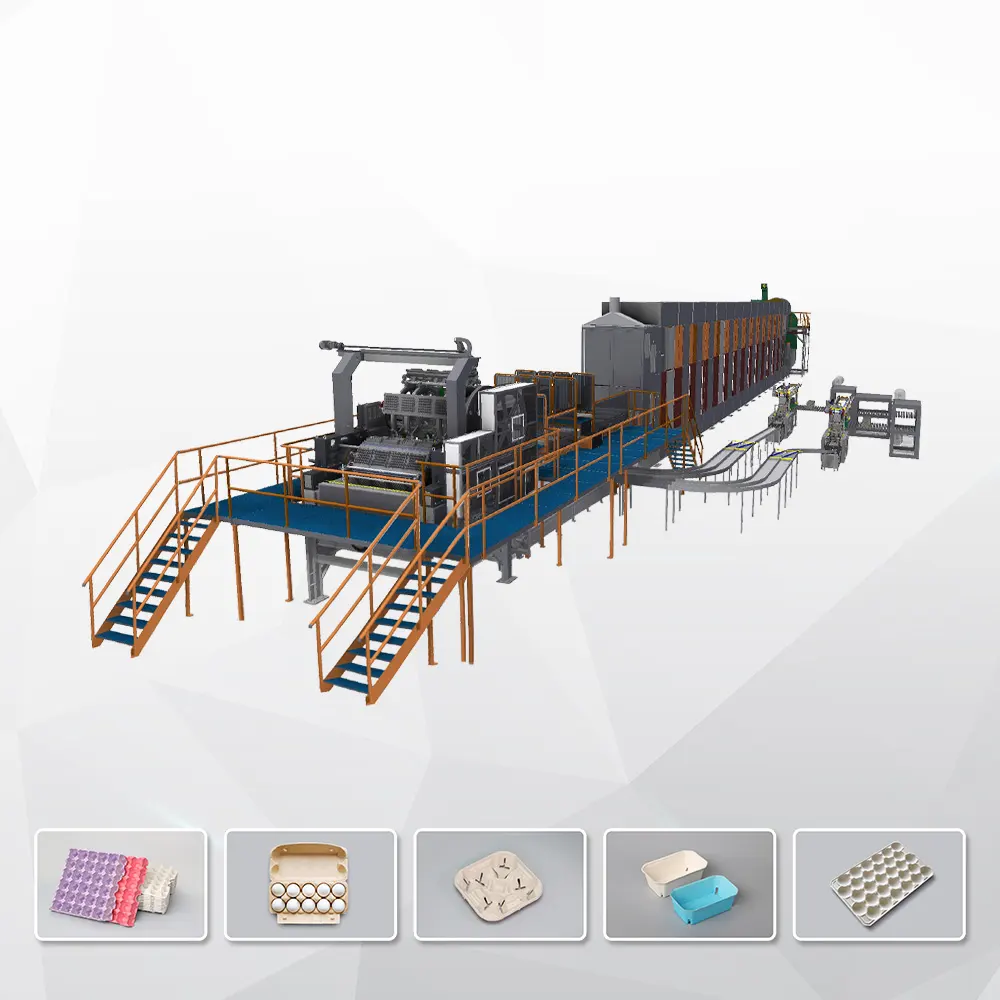
High Speed Double Rotary Egg Tray Making Machine
High speed beyond ordinary, world-class performance. Suitable for the production of egg trays, fruit trays, drinking cup carrier trays, bottle trays and other regular shape standard products.
High Productivity Production Line
Up to 60 Drops per Minute (3 Times Faster)
Platen Size: (1250 or 1650) x 460 mm
6 Faces Forming 6 Faces Transfer
10-Layer Dryer
Greatly Improved Efficiency
5. Price vs. Value
High-Quality Egg Cartons: A Wise Investment in Quality and Sustainability
While high-quality egg cartons may come at a slightly higher price, they offer long-term value. Their durability means that eggs are less likely to be damaged during transport or storage, which helps reduce product loss. Moreover, the use of sustainable materials adds value to your brand, particularly in an era where consumers prioritize eco-friendly products. Although the initial cost is higher, the benefits outweigh the investment.
Low-Quality Egg Cartons: Short-Term Savings, Long-Term Risks
Low-cost egg cartons are often appealing because of their affordable price. However, their inability to protect eggs effectively can lead to higher breakage rates, resulting in financial losses for both businesses and consumers. Additionally, the environmental costs of using non-recyclable materials may lead to negative public perception in the long run.
6. How to Choose the Right Egg Carton
When selecting an egg carton, here are some factors to consider:
Material: Choose cartons made from recycled, biodegradable, or eco-friendly paper pulp.
Manufacturing Quality: Look for cartons that are molded precisely to fit the eggs and ensure durability during transport.
Environmental Impact: Opt for cartons that are recyclable or biodegradable to reduce your ecological footprint.
Brand Reputation: Choose reputable brands that prioritize sustainability and quality control.
Conclusion
The choice of egg carton plays a pivotal role in ensuring that eggs remain intact during transport and storage. A high-quality egg carton offers superior protection, is eco-friendly, and provides long-term value, while a low-quality carton may save money initially but leads to higher breakage rates and environmental harm.
As consumers and businesses alike become more conscious of sustainability, the demand for eco-friendly, durable, and high-quality egg cartons will continue to rise. By making the right choice when it comes to egg packaging, we can protect our eggs, our environment, and our future.